
A steam box test
after a common break

[I plan to add a few classes for late 2026. I’ll share those here once they’re on the schedule.
I want to highlight one class in August. I’m teaching a stick chair course with Charles Thompson here in Waldoboro. The class: students design their chair, Charles and I help everyone bring those chairs along. Or they can follow and build the instructor chair. We ran one together last year. It was a blast.
We still have a couple spots left, should anyone like to join. August 10-15. ]
I’ve run a series of tests. My apologies to the scientists right up front.
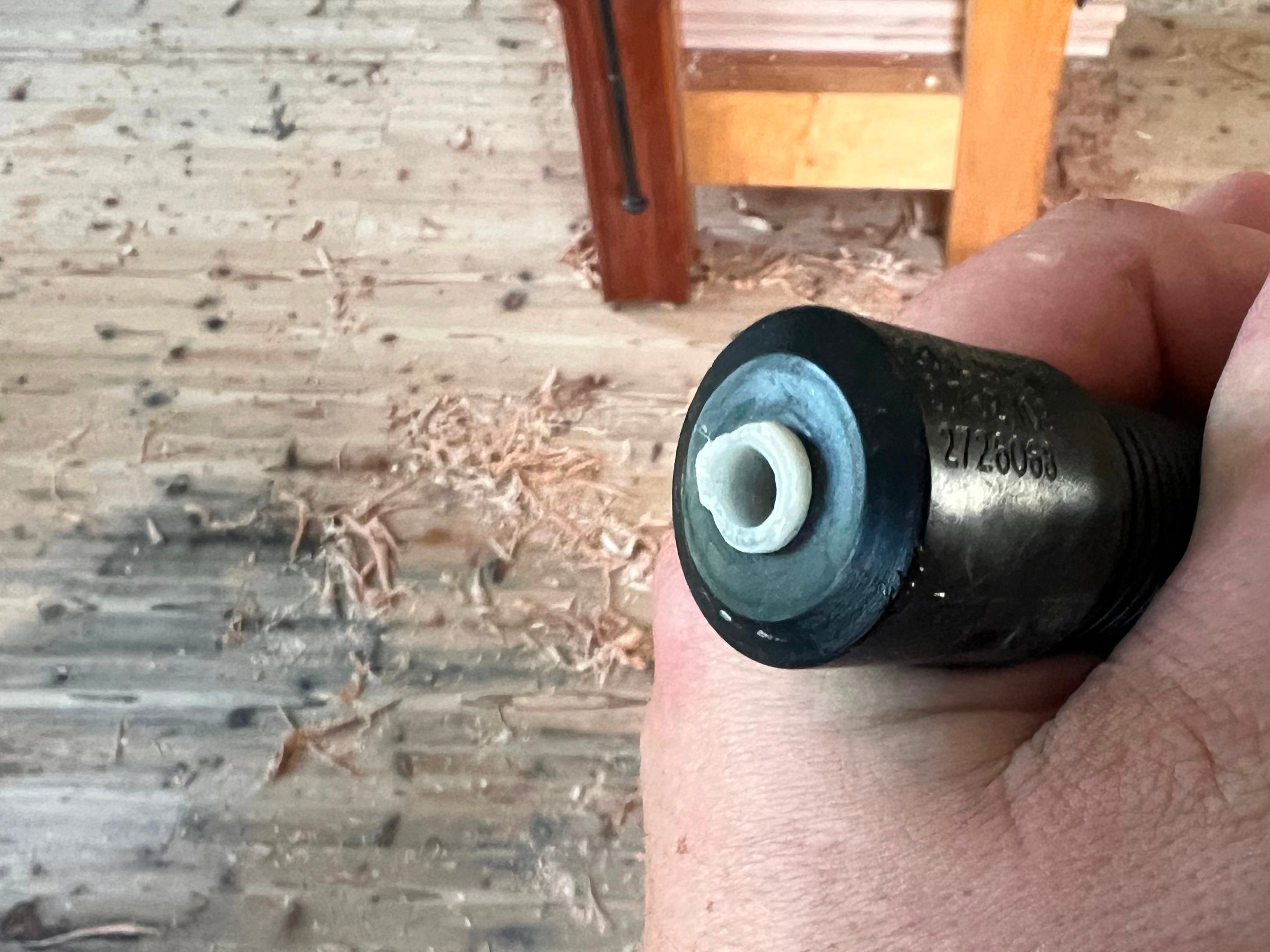
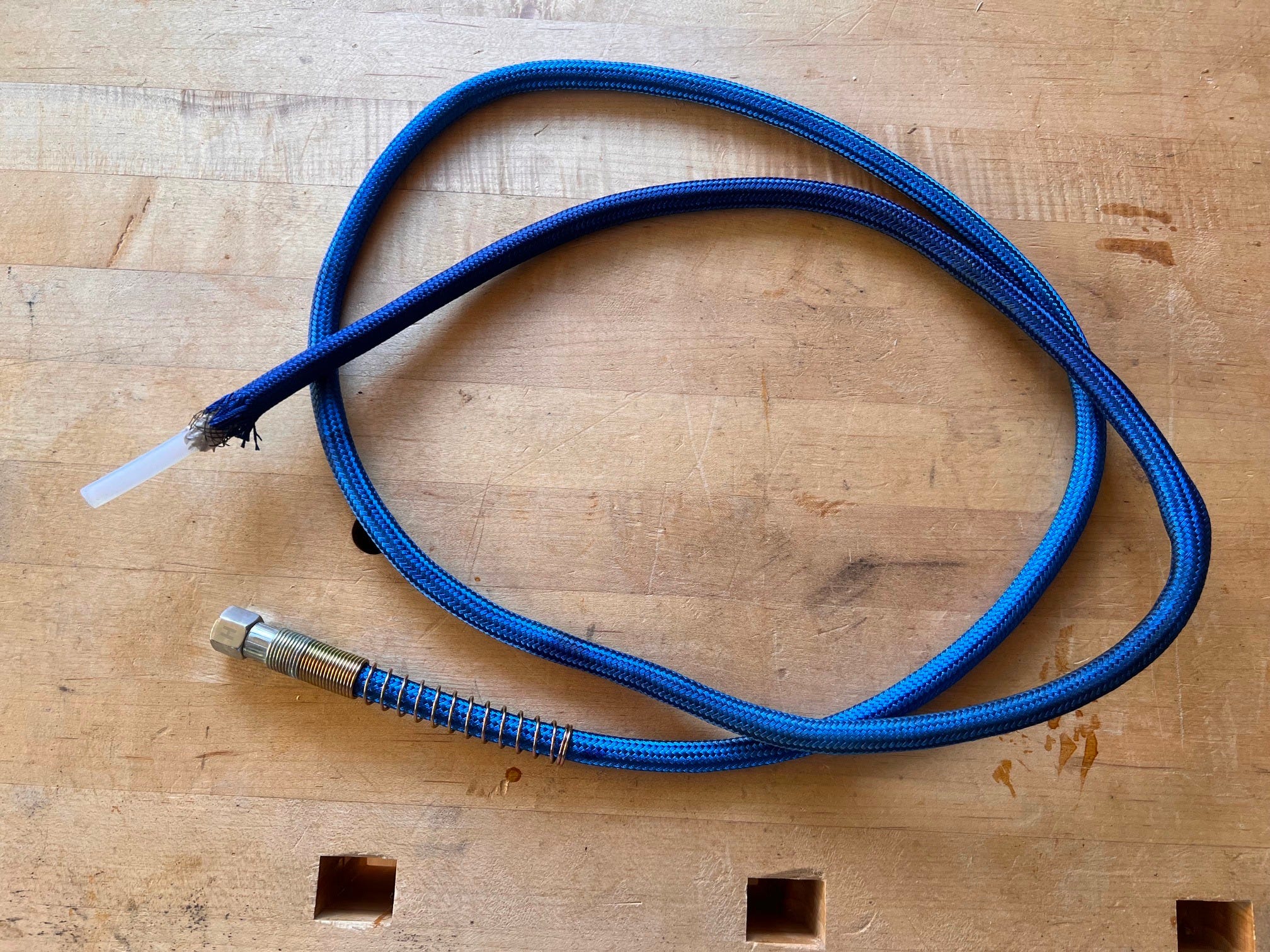
The plastic hose to my steam box recenty broke. It snapped at the fitting. It’s a weak point and this hose has been in use for a few years. It was bound to break eventually. Epoxy was no match as a fix…it fell apart during the first steam session. I purchased a replacement hose with metal fittings and a blue nylon covering.
And I also purchased a second steamer. They don’t last forever and seem to fail at critical times. My last one melted a hole into the bottom of the plastic body. Beyond dumping the water, that seems a risky failure, which confirmed my preference to steam outside whenever possible.
My setup:
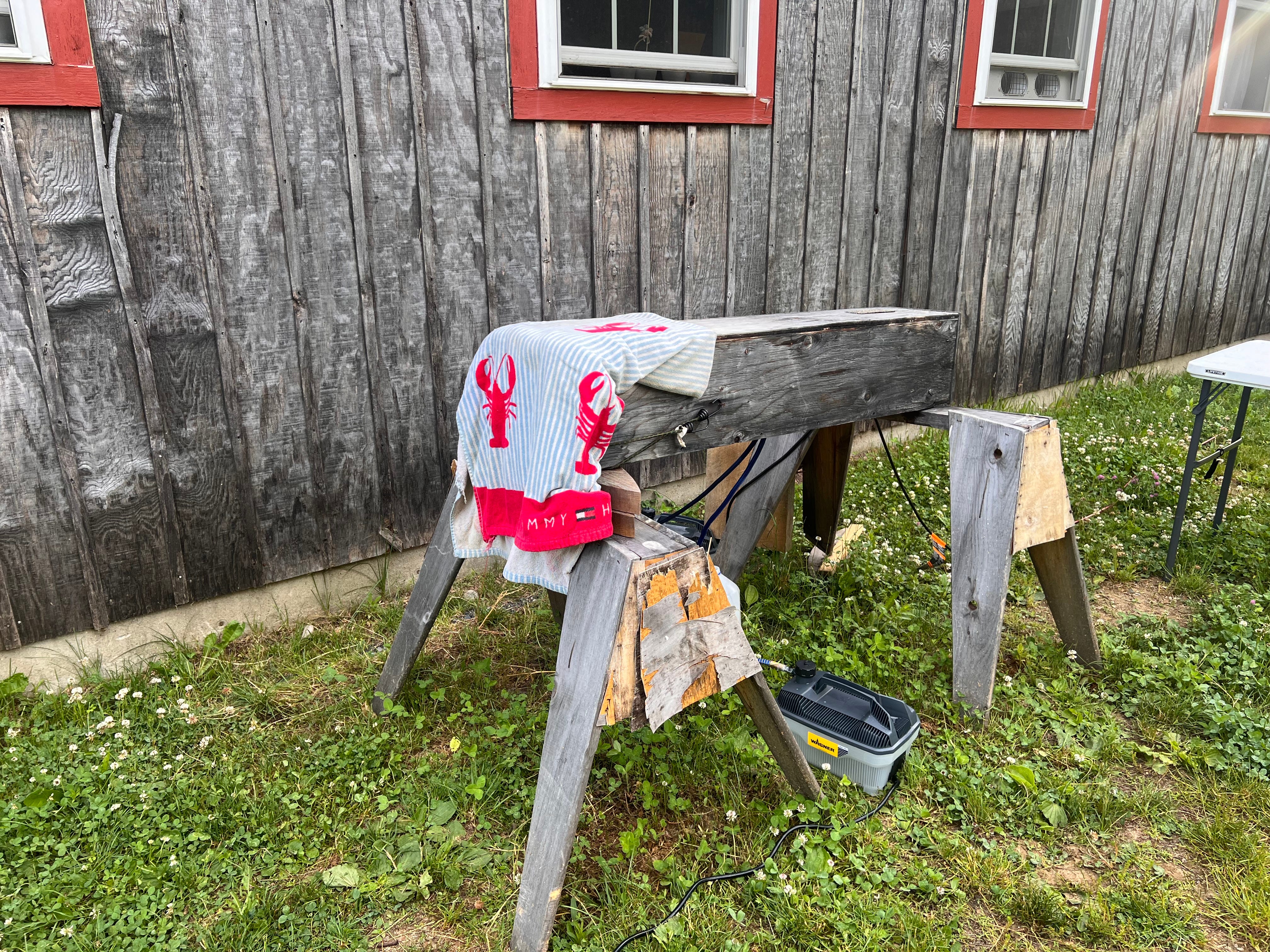
I have an “economy” system. Cheap and simple. It consists of a plywood box and the Earlex 725 steamer (around 75$). The ply box is (amazingly) about 4 years old. The joints are glued and screwed, though some daylight peeks though at a few spots today. It needs to be upgraded but never reaches the top of the “to-do” list. Simply put - it could be better.


There are better ways. Peter Galbert and Jeff Lefkowitz share information about their boxes. Brian Boggs (Boggs Bench on Substack) has the most impressive system I’ve ever seen - more of a steam chamber than a simple box - and does significant bends on thick hardwoods furniture parts. Give them a look if you want an upgrade.
That said, this simple setup works for what I ask of it. The box holds the heat and steam. The heat limbers the wood, making it easier to bend. Should I start making more significant bends, I’ll need to upgrade the system.
The box has an interior dimension of 8 1/4” x 8 1/4” x 50”. There’s a hole in the bottom that allows in the steam hose. I drape a towel or blanket over the front. This doesn’t do anything…it’s just a habit at this point.
The experiment:
Upon purchasing the replacement hose and the extra/backup steamer, I wondered if I had the components to improve the performance of my old box. Some chairmakers run two steamers and stagger the start times (which means they need refilled at different points), so that there’s never a lag in the box when the steamer is heating the refilled water.
I had a couple questions.
Does the new hose improve the temperature?
Does running two steamers into the box impact things?
Having no idea what temperature my box runs at, I picked up a cheap thermometer.
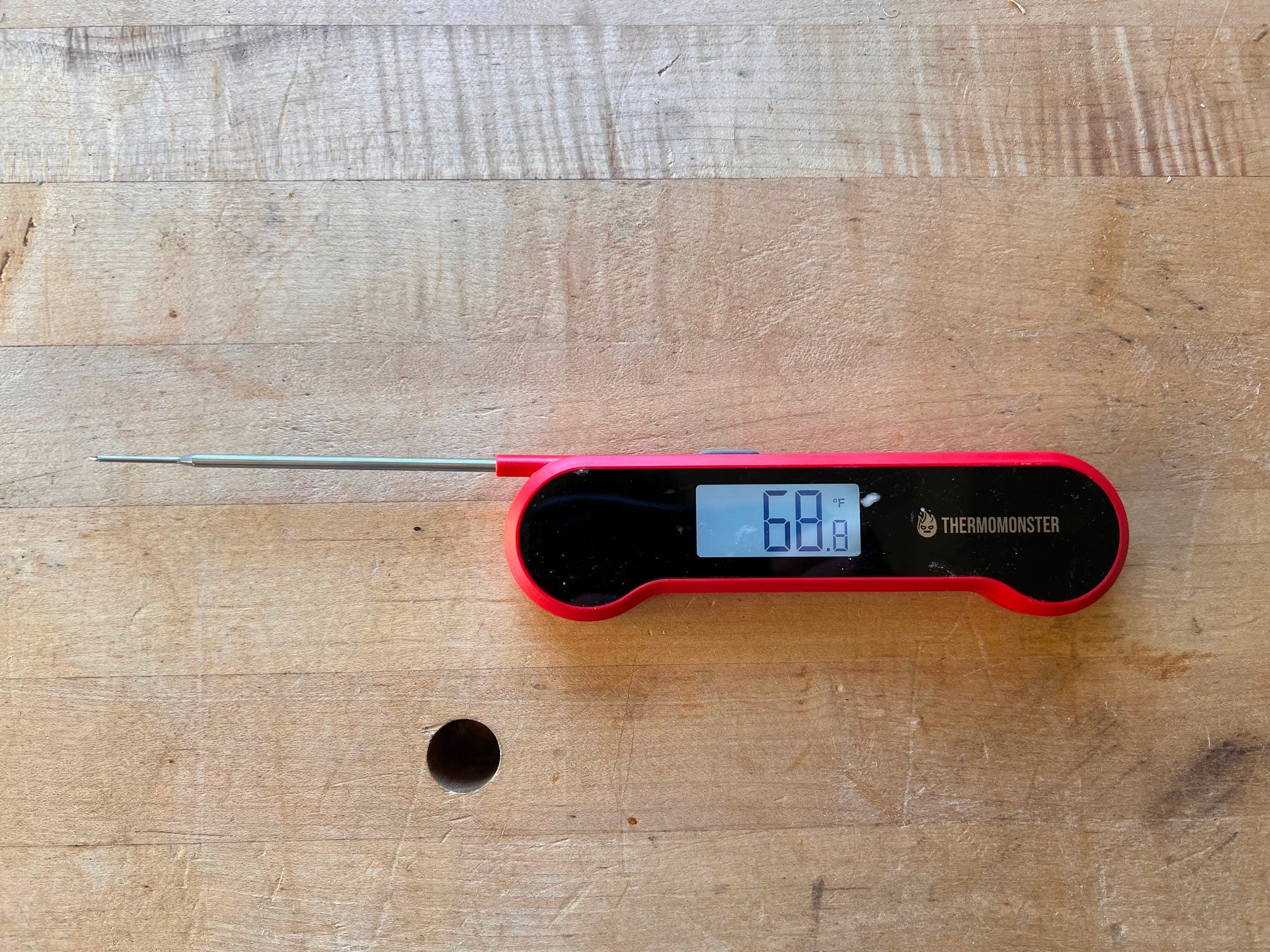
I ran three cycles with the steamer(s) and the box. Each time, the steamer started full of water and ran for 90 minutes. The Earlex 725 boils off about a gallon of steam in 90 minutes.
Test #1: Single steamer, running the included black plastic hose: 69 degrees outside. At 90 minutes the box read 212 degrees.
Test #2: Single steamer. replacement blue hose: 61 degrees outside. At 90 minutes, the box read 210 degrees.
Test #3: Two steamers, both running the blue replacement hoses. 65 degrees outside. At 90 minutes, the box read 211 degrees.
Conclusion:
First, I would have guessed the box ran in the 180-190 range before this testing. I’m happy to see the temperature around the 210’s.
Second, it seems all the combinations run about the same temperature. If I want improved results, I’ll need to better insulate and seal the box, and get an insulated hose.
Until then, I’ll keep running a single steamer. And now a little better educated than before.
Love doing experiments like this. I’ve been doing quite a few the last 2 years using thermometer probes bored into workpiece samples.
Even insulated, can it get hotter than 212?