
Hickory Bark Effort

July 4th. That’s the date, while living in Kentucky, considered the closing bell for the hickory bark season. At least the “easy” part of the season.
Steve Farmer of Berea, KY - who harvested bark for 40+ years - shared the time of year when the bark is slipping. From Memorial Day to July 4th. Working either alone or with a small crew, he harvested as much bark as possible within that timeframe.
I only took a few trees each year. That was enough for me - to seat all my chairs and maybe have a little left over. Steve sold it commercially. And since the demand was there, he could sell whatever he harvested.
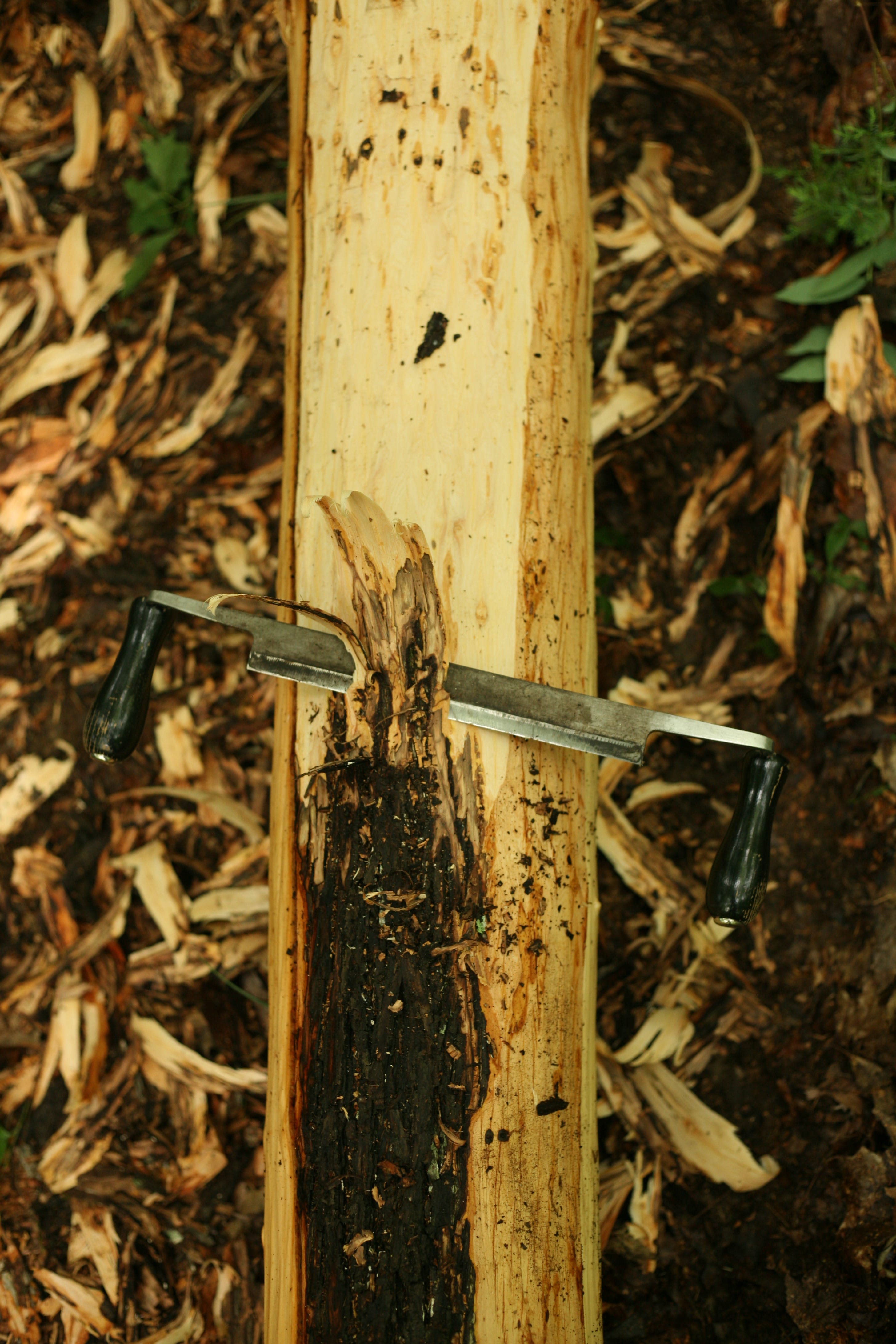
I live in Maine now. Far away from the smooth-bark hickory stands of central Appalachia. Some years I make it back to harvest a few trees. This year I missed it.
Over these past few years, the days I spent collecting bark were the most strenuous, most tiring work of my year. I become bone-tired by the end of each day (and getting older doesn’t help with this). This tiredness…I enjoy it. I enjoy collecting the bark. But it’s something to know about it. Bark harvesting seems so romantic - walking into the woods, shaving the tree, coiling off lengths of bark, taking part in the collecting and processing of a special material - and there is romance in it. But just behind that romance is the reality of work. A heaping mountain of strenous work.
The closest thing I’ve experienced is from my teenage years. Bailing hay, out in the sun, and then stacking it in the barn. Hickory bark harvesting is similar to that. Sports and exercise never came close to that level of tiredness.
Since I only harvested 3-5 trees worth of bark, I’d work for a few days in early June. That way, (hopefully) I was working towards the beginning of the season and we’d have a chance at spring temperatures. Not the full summer heat. I always carried a tarp into the woods with me to cover the tools and most days wished for an afternoon rain. Just for a few moments of cool respite.
Also, I didn’t drop the trees…that’s not a skill of mine. For both safety and practical reasons, an experienced forester would lay the tree down in the woods.
One day, while resting on the shaved log, a doe walked up to see my work. She couldn’t have been more than 10 feet away from me. She inspected things, stared at me for a few moments, then slowly continued on her way.
The bark peels off the tree during the spring. It’s fixed tight to the trunk the rest of the year. It can still be collected during those months, but it must be shaved off with a drawknife. It takes incredible touch with the knife to do this well. I collect in spring, or not at all.
Steve, working the full stretch, would check the trees at either end of the season. He’d knife a small square in the bark at the trunk base. If it popped off, and the trunk was slick with sap, then he’d harvest the tree.
This effort, and all that goes into collecting bark, is why it’s hard to purchase. Those who sell it (and I’ve mentioned a few in posts recently) seemingly love hard work, because it’s hard, even with a machine. There are no short cuts. There is no “easy way.” I know Steve loved working this season.
(YouTube has a few videos on collecting bark. There’s also a 45-minute Brian Boggs/Lie Nielsen video that shows the process from tree to seat.)
And so while I missed being in the woods this spring, I’m thankful a few others went about it and have made it available. There’s a little more supply for craftspeople. If you are lucky enough to have used it before, you know just how beautiful and strong a seat it creates.
There is nothing like it.
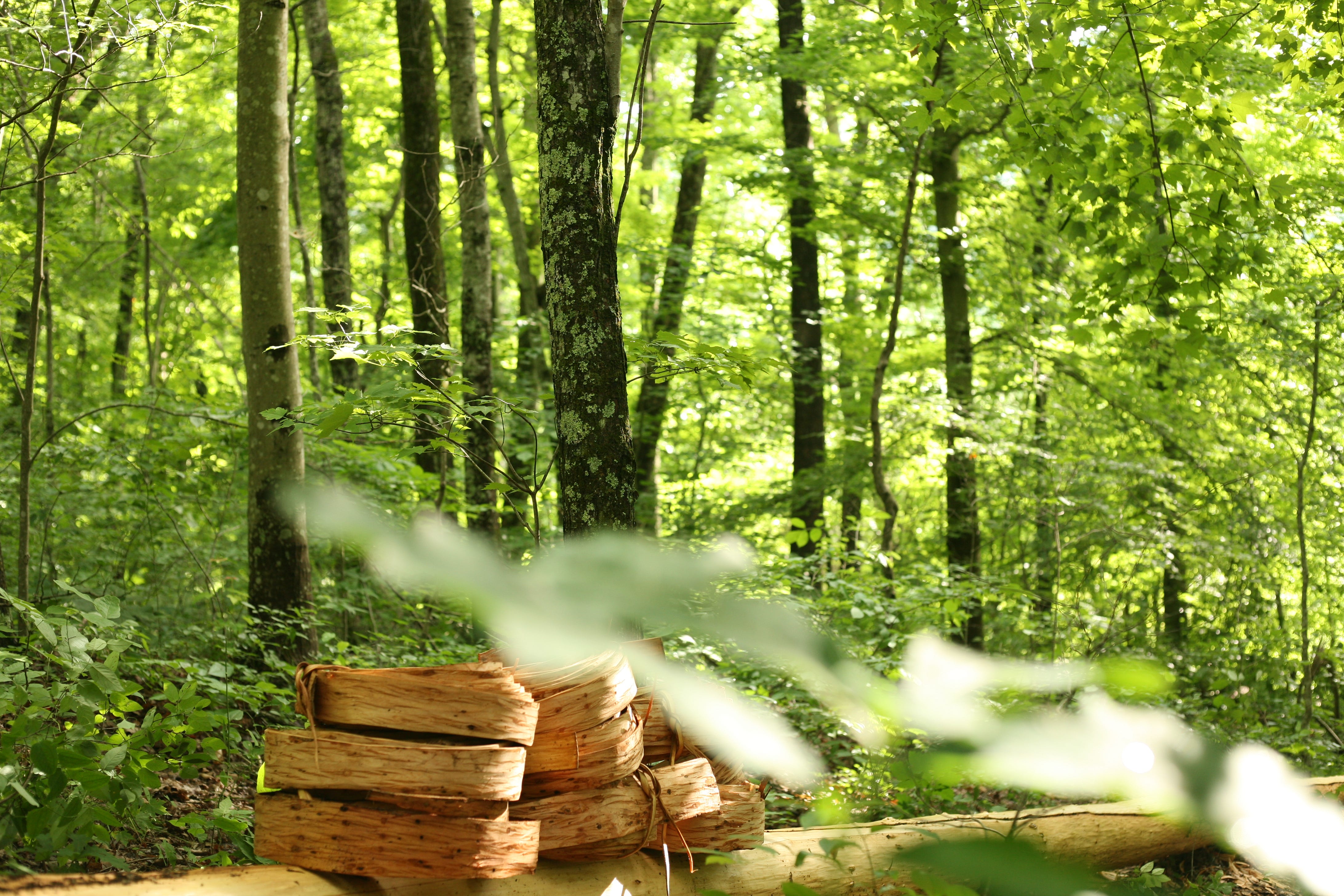
❤️
I got to Berea this year for their bark-pulling day. Anyone who thinks the cost of bark is too high has never spent any time pulling it. I went to sleep the minute I got back to the motel, and got up at midnight for dinner. That is hard work. Folks should be charging double for that stuff.